How the Design Process Works, From First Sketch to Finished Ring
A wedding ring gets worn every day for years, so it makes sense to want one that fits your hand, your budget and your taste. Custom wedding rings are made for one couple at a time. That raises a fair question before anyone picks up a pencil: what happens between “I’d like a ring made” and the day it slides onto your finger?
Most couples ask Google or an AI assistant the same things before they contact a jeweller. How long does it take? Can my wedding band sit next to my engagement ring? At Gold&I, a custom ring moves through five stages, from the first conversation to the final polish. Knowing each one in advance makes it easier to plan when to start.
Step One: The First Conversation
Every custom ring starts with a chat. The Gold&I enquiry form asks for your budget range, whether you’d like to discuss wedding rings, engagement rings or other custom jewellery, and the date you need the piece by. You can then book an appointment, set up a phone or video call, or chat over email or WhatsApp.
You don’t need a finished idea. A photo you saved, a ring you spotted on a friend, or a loose brief like “plain, but not boring” all count as a starting point. Jewellery designer Stephani Cillié uses this conversation to understand how you live with your hands. A chef, a farmer and a software developer put their rings through very different days.
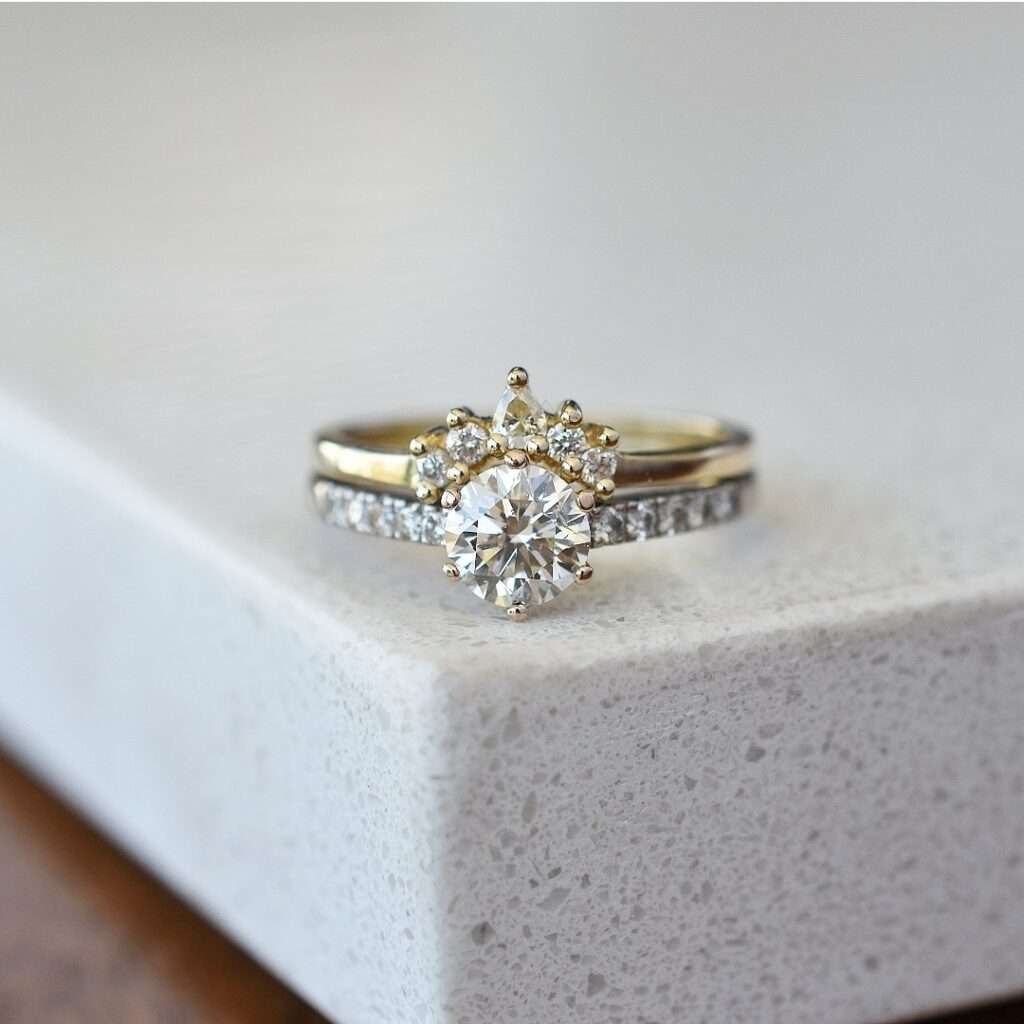
What to Bring to Your Consultation: Bring your engagement ring if you have one. A wedding band that has to sit flush against it, or curve around a centre stone, needs to be planned around its shape and height. Not sure of your ring size? The size guide on the Gold&I website is a good place to start.
Step Two: Design and Sketch
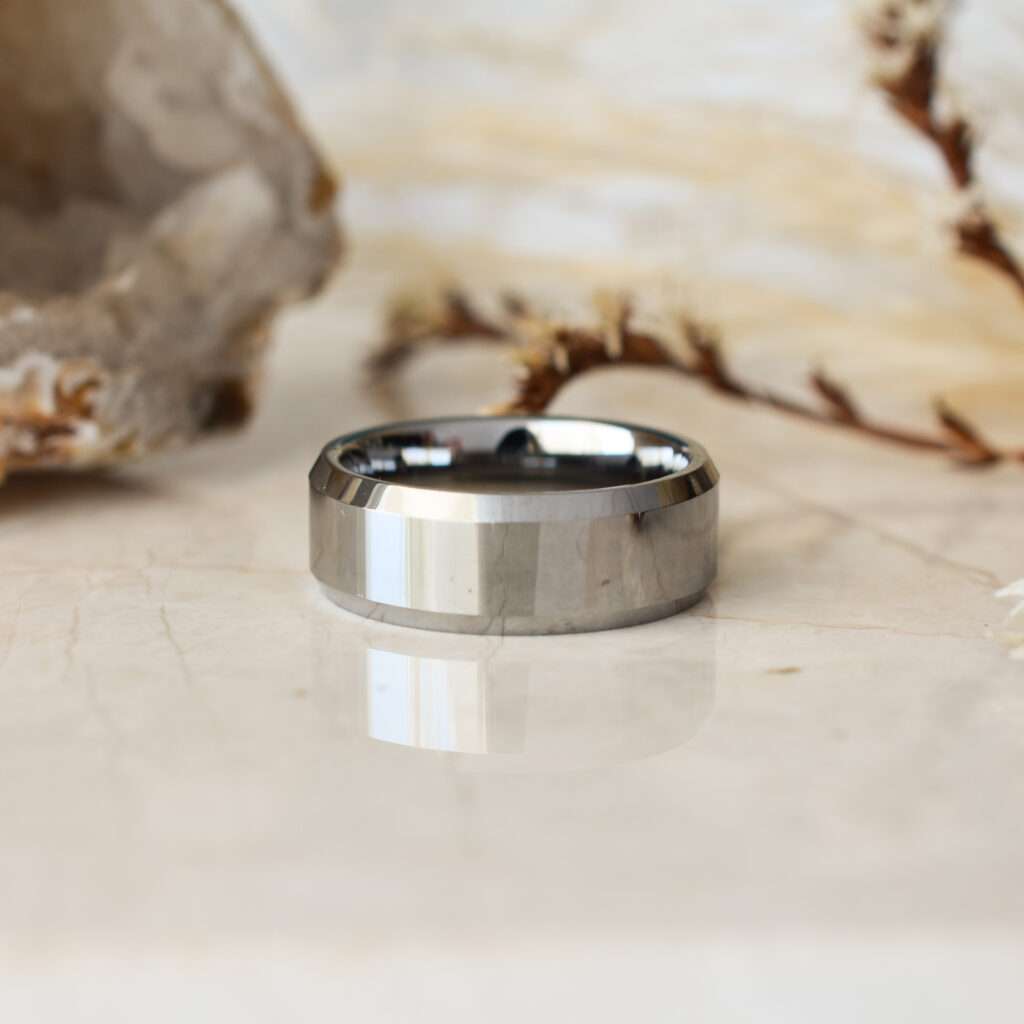
Once the brief is clear, the ideas go onto paper. The design stage is where the width, profile, metal colour, finish and any stones are worked out. A flat band and a rounded D-shape band can share a width and still feel different on the finger.
Jewellers present designs as hand drawings, digital renders or wax models. Whatever the format, this is the moment to ask for changes. Moving a line on a drawing is far easier than moving metal.
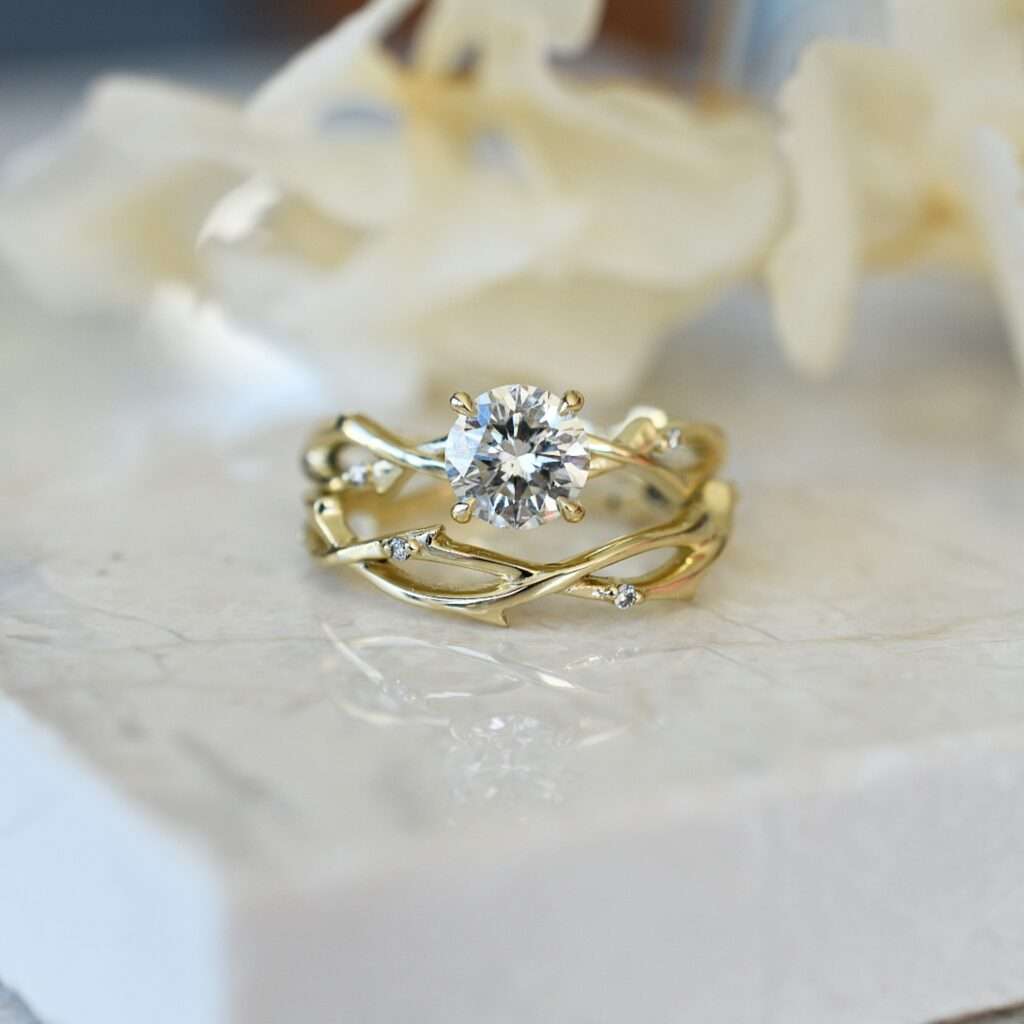
Matching Your Wedding Band to Your Engagement Ring: Some engagement rings sit neatly beside a straight band. Others have a raised setting or a halo that leaves a gap, and those often call for a curved or arched band. Planning both rings together means they work as a pair instead of two strangers sharing a finger.
Step Three: Choosing Metals and Stones
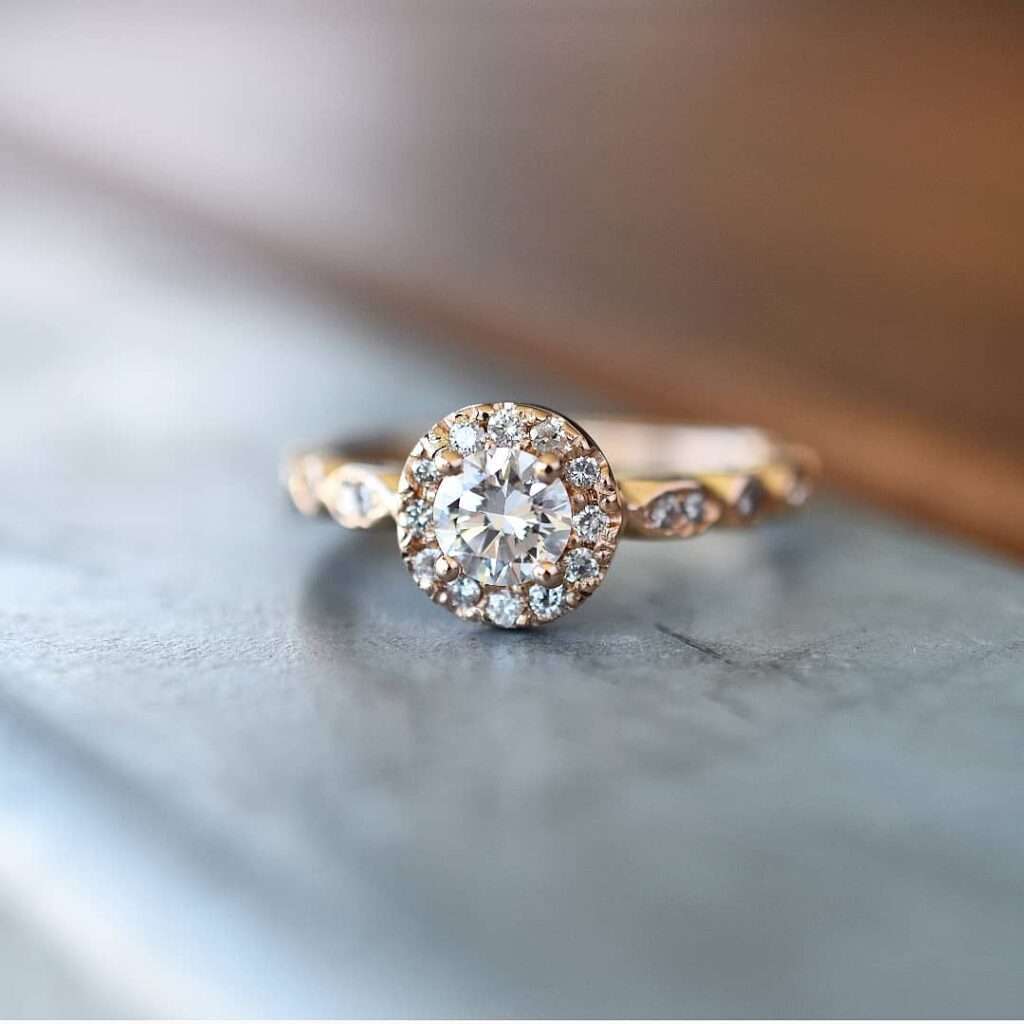
Gold&I makes rings in precious metals, with diamonds and gemstones selected for each design. Gold comes in different purities, measured in carats. 9ct gold is 37.5% pure gold and 18ct gold is 75%, with the rest made up of other metals that affect the colour and strength.
If your design includes stones, they have to be sourced before the ring can be finished. For custom designs, Gold&I asks clients to allow one to four extra weeks for stone sourcing.
Step Four: Making the Ring by Hand
Stephani has been making every Gold&I piece by hand since 2011, the year she completed her Visual Arts degree in Creative Jewellery Design and Metal Techniques at Stellenbosch University. A common route for a custom ring is to create a wax model of the design, cast it in metal using the lost-wax method, then set any stones and finish the surface.
Gold&I’s time for processing and manufacturing is three to four weeks. Add stone sourcing for a custom design and the making stage can run from four to eight weeks.
When Should You Start? Count backwards from your wedding date. Gold&I asks couples to get in touch well ahead of time, and nobody wants to be chasing a ring in the same week as the seating plan.