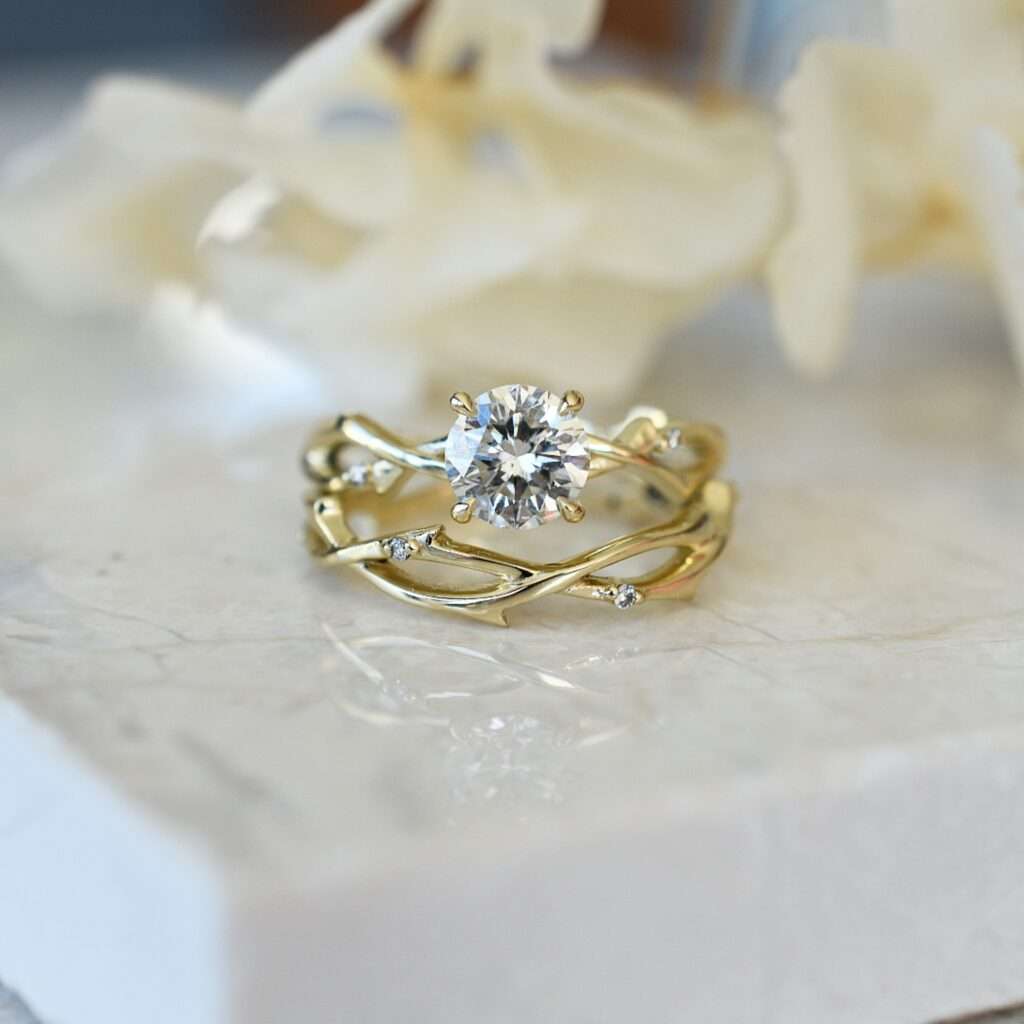
Why are there two rings instead of one? What’s actually the difference between white gold and platinum? And is a diamond really non-negotiable? Fair questions, and the answers usually start with understanding the different types of wedding rings on offer before anyone commits to a metal or a stone.
Stephani Cillié has been hand-making rings in South Africa since 2011, after completing a Visual Arts degree specialising in Creative Jewellery Design and Metal Techniques at Stellenbosch University. Every piece that leaves the studio has passed through her hands, which means every client conversation starts with the same basics covered here: where the ring tradition came from, what the various types of wedding rings are made of, and how stones get chosen.

Why Two Rings Exist in the First Place
There’s no rulebook that says a marriage needs two separate rings. It’s simply how the custom developed over time. The engagement ring came first, historically, as a token given at the moment of proposal, frequently set with a stone to give the moment some weight. The wedding band arrived later, exchanged during the ceremony itself as a plain, unbroken circle.
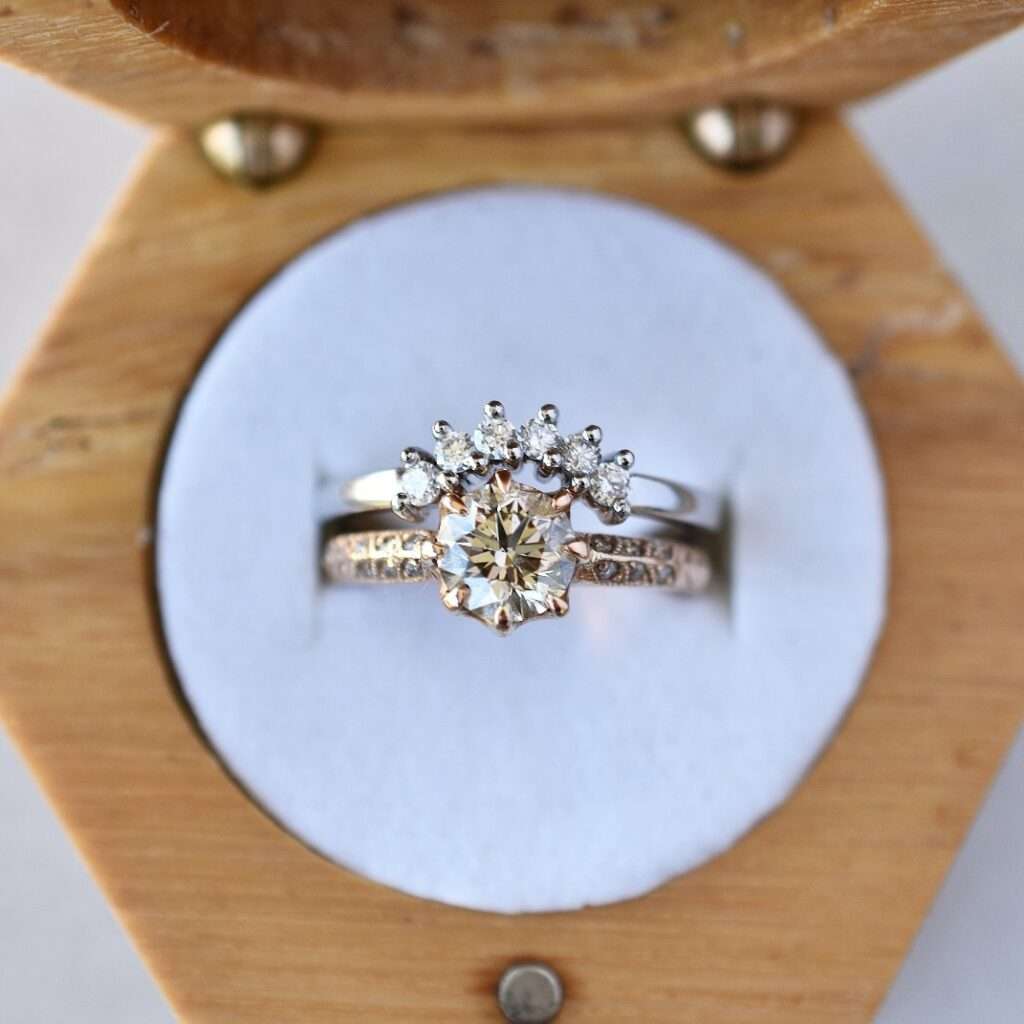
Two different customs, two different rings, and for centuries nobody thought to design them as a pair. That’s changed. Most jewellers now sketch the engagement ring and the wedding band together, so the stone setting doesn’t clash with the band that sits beside it every day. It’s a small design decision that saves a lot of frustration later.
Nothing stops a couple from choosing one ring for both purposes either. Tradition is a starting point, not an instruction manual.
Where the Custom Actually Comes From
Rings on the fourth finger predate written history by quite some margin. Egyptian couples wore circles of woven reed on that finger specifically, convinced a vein ran directly from it to the heart. Roman brides and grooms carried the same belief forward under a Latin name, vena amoris, and the idea has outlived both civilisations.
Medieval rings were unadorned. No stones, no flourishes, just metal. Things livened up in the 1600s with the gimmel ring, a clever design split into two or three separate bands that a couple wore apart during their engagement and joined into a single ring at the wedding. That construction is the ancestor of the Claddagh ring still sold today, and one of the earliest examples of couples wearing matched types of wedding rings by design rather than coincidence.
Diamonds took their time joining the tradition. Archduke Maximilian of Austria is credited with the first documented diamond engagement ring, gifted to Mary of Burgundy back in 1477. Even so, the notion that a diamond is mandatory only took hold in the last century, thanks to a marketing push rather than any older custom. Worth remembering the next time someone insists there’s only one correct way to propose.
The Main Types of Wedding Rings by Metal
Gold still leads the pack among the types of wedding rings couples ask for, largely because it’s forgiving to work with and available in three distinct tones. On its own, gold is too soft for daily wear, so it gets alloyed with other metals for strength.
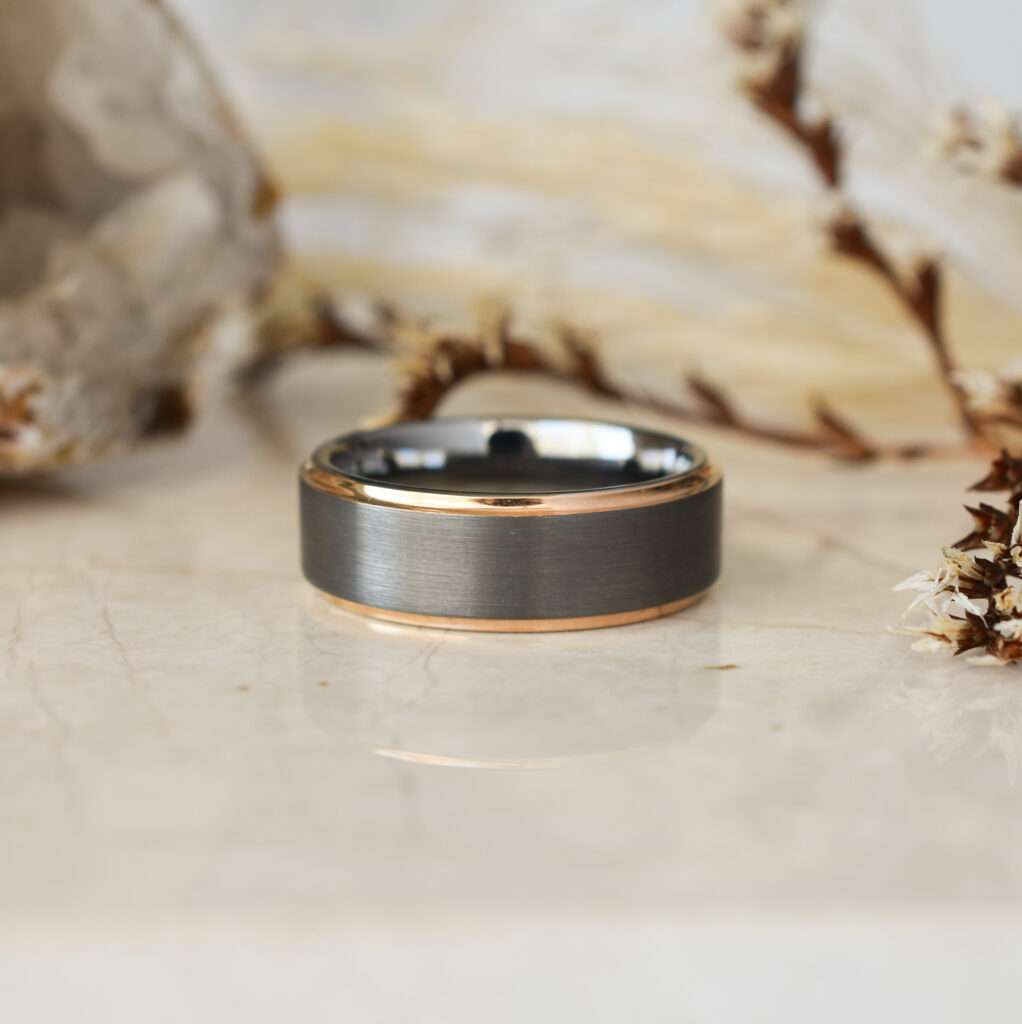
Yellow gold keeps its warm tone and resists tarnishing well, making it the tone most people picture when they think of a wedding ring. White gold gets its silvery look from alloying with metals like palladium or silver, topped with a rhodium finish that eventually wears thin and needs redoing every couple of years. Rose gold takes its blush colour from copper mixed into the alloy, and that colour holds steady without fading.
Karat refers to gold purity, and 9-carat, 14-carat and 18-carat are the figures you’ll see most in South Africa. Fourteen-carat tends to be the sweet spot: enough gold content for good colour, enough alloy for daily durability.
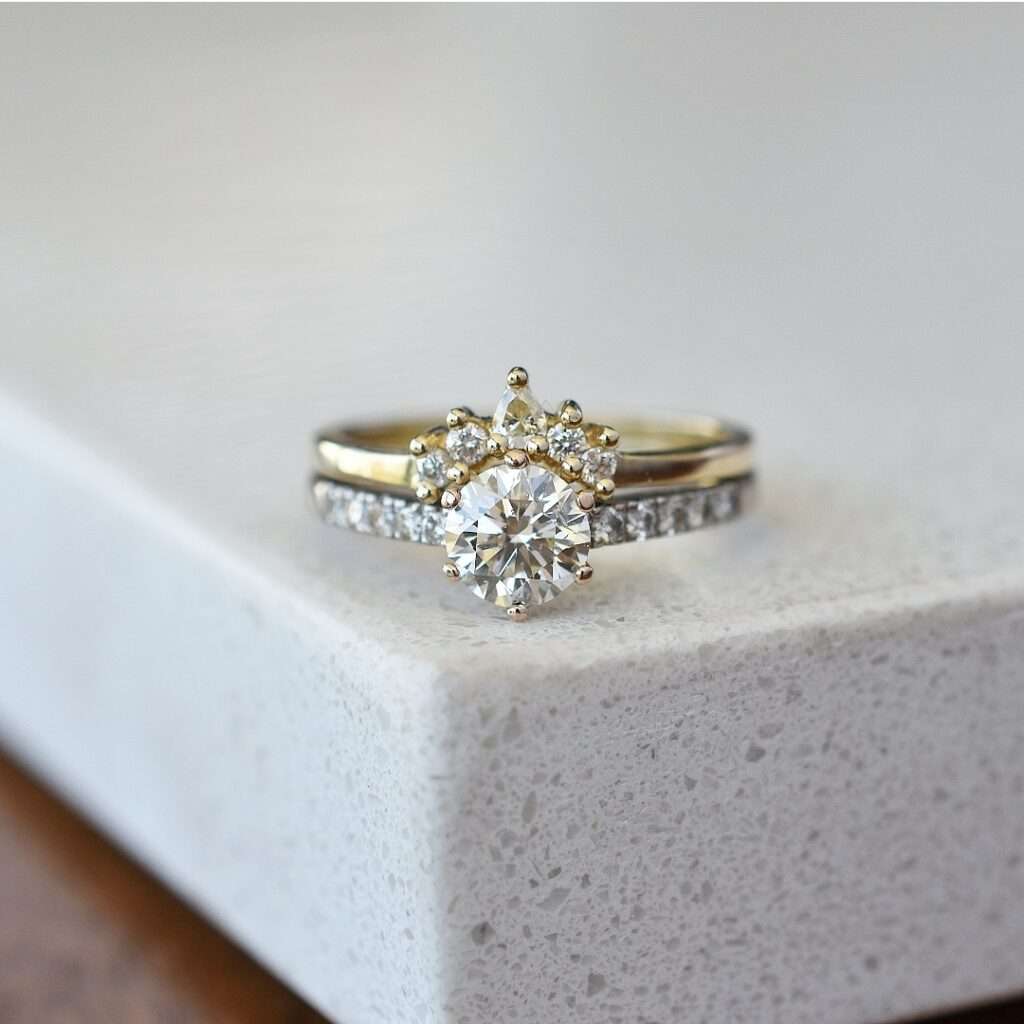

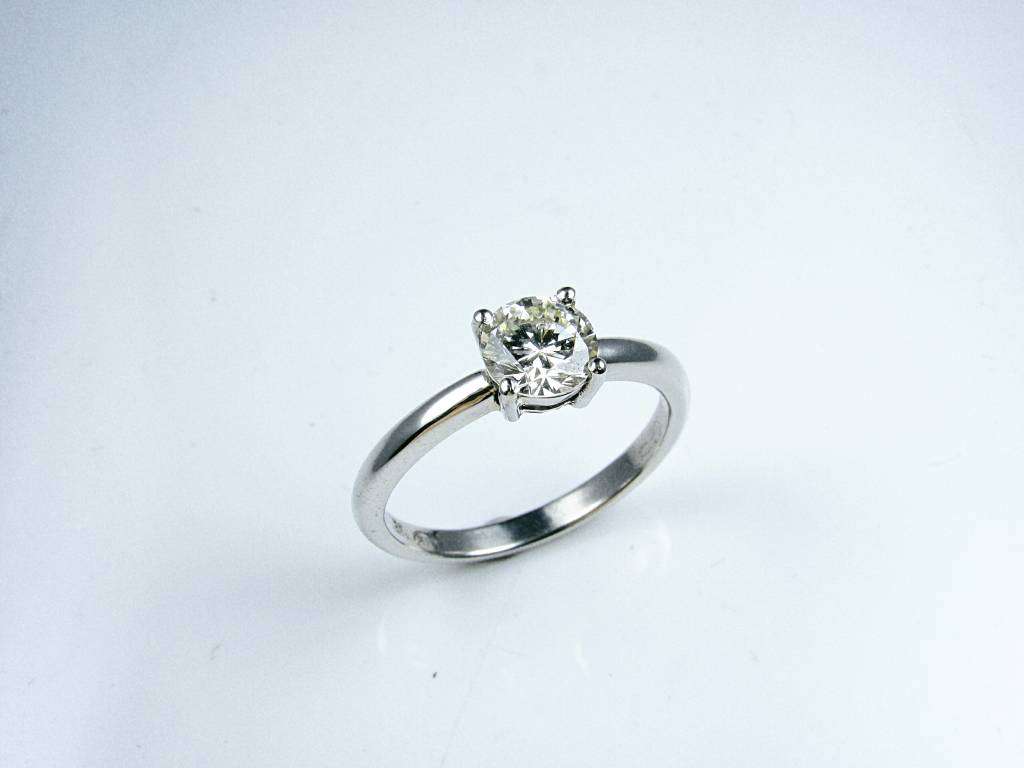
Platinum comes out of the ground white, so there’s no plating to maintain and no colour to fade. It’s also a heavy, dense metal, which gives a platinum ring a substantial feel, and that density combined with its scarcity puts it at the top of the price range among precious metal types of wedding rings.
Palladium belongs to the same metal family and shares platinum’s white tone and resistance to tarnish, just at a noticeably lighter weight and a friendlier price. Fewer workshops handle it regularly compared to gold or platinum, so sizing and repairs can take a little longer to arrange.
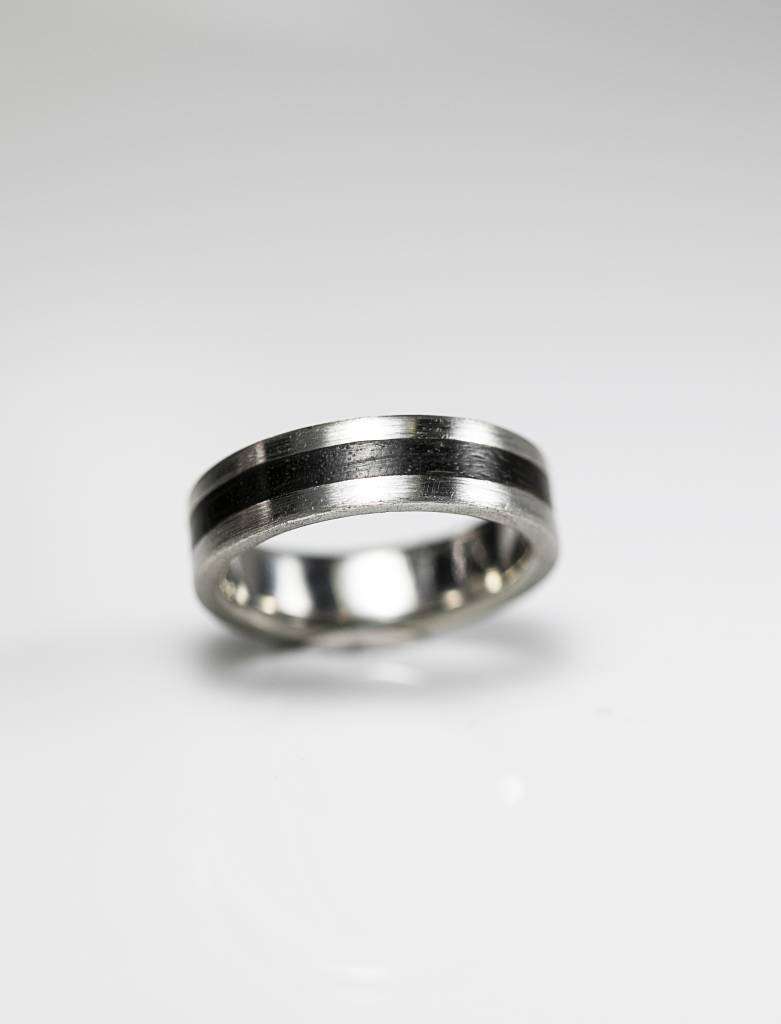
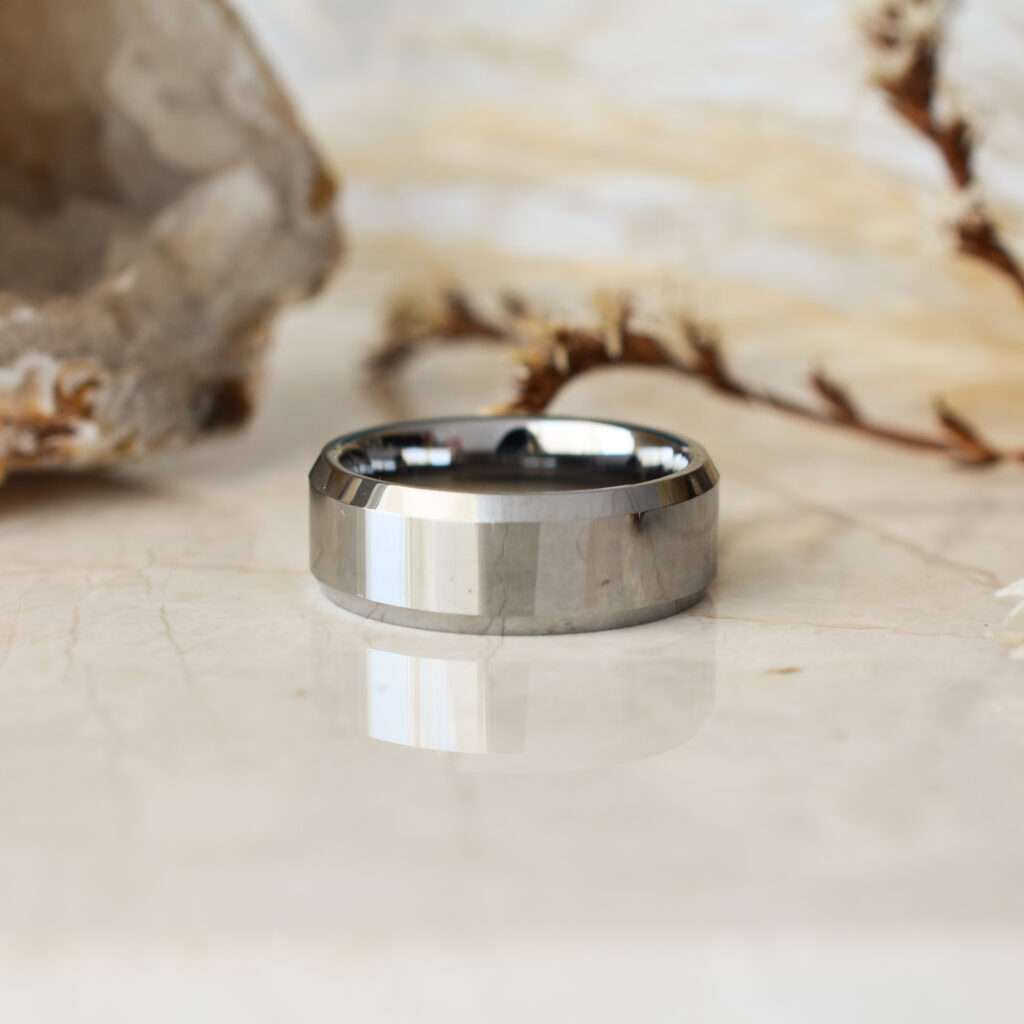
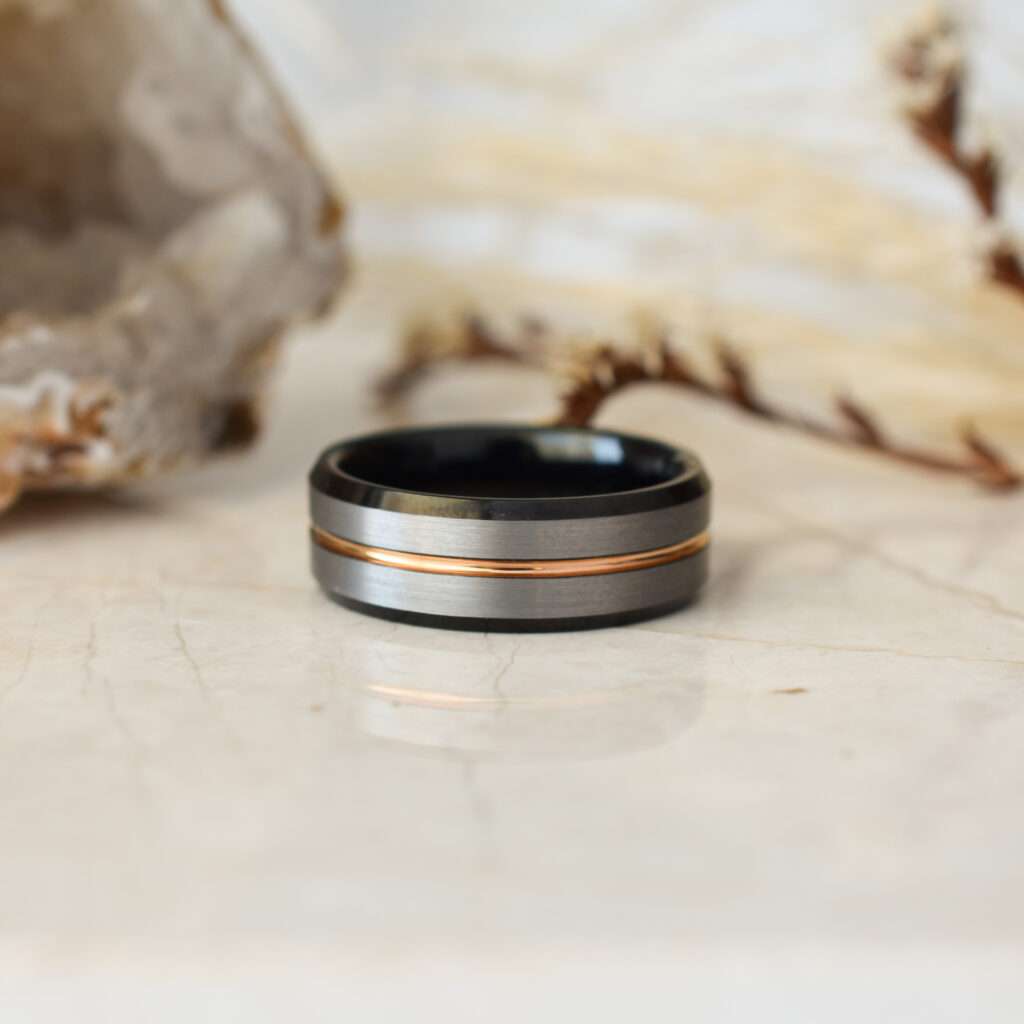
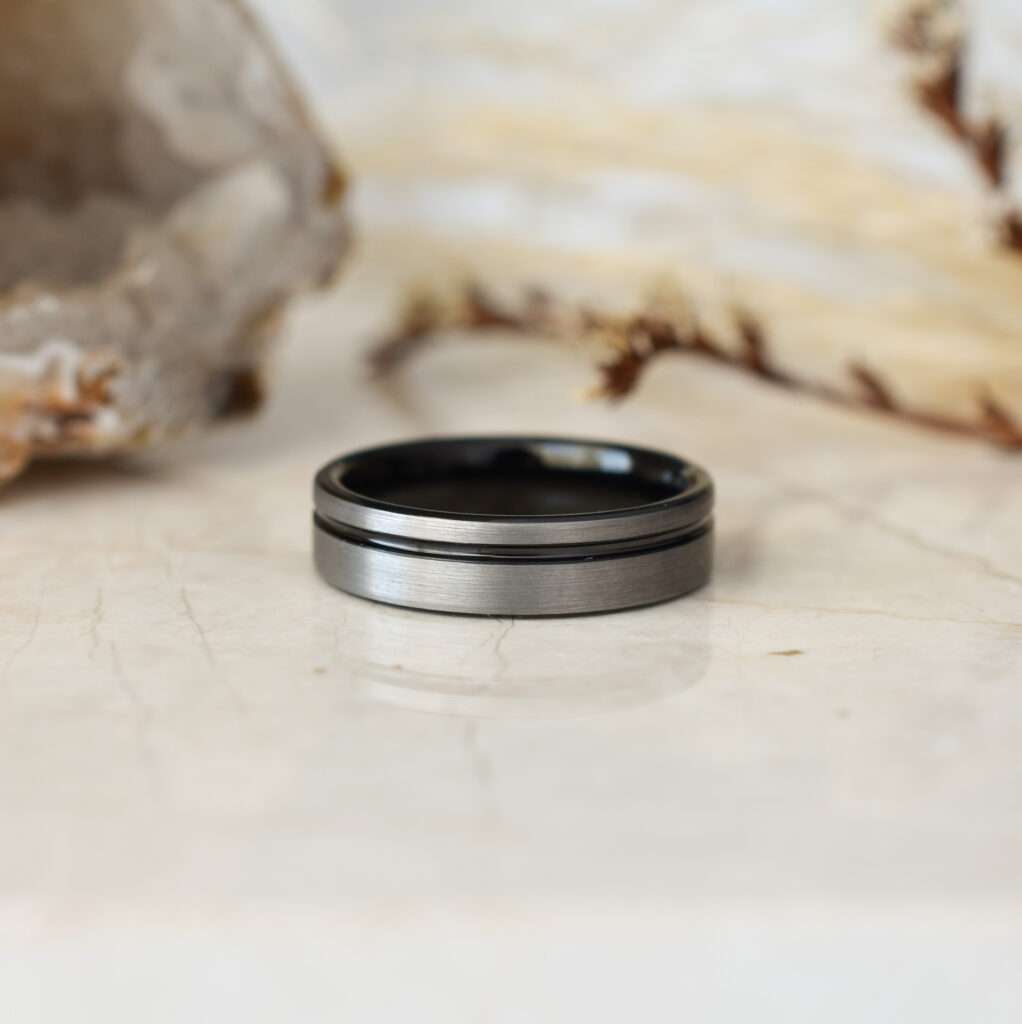
Titanium and tungsten get requested most often among couples wanting harder-wearing types of wedding rings for a physically demanding lifestyle. Tungsten carbide barely scratches and keeps its shine without effort, though its hardness makes it prone to cracking under a hard impact, and it can’t be resized once it’s cast.
Titanium goes the opposite direction: light on the finger, strong against everyday wear, and also unable to be resized after manufacture. Both metals suit active hands well, provided the sizing is right from the start.
Choosing a Stone Beyond Just “A Diamond”
Diamonds are assessed on four measures, known industry-wide as the 4Cs: cut, colour, clarity and carat.
Cut determines how the stone handles light, and it influences sparkle more than any other factor. Colour runs on a scale from completely colourless down through increasingly visible tints. Clarity records the internal and surface characteristics unique to each stone, ranging from flawless to heavily included. Carat is a measurement of weight, not physical size, though the two tend to move together.
A diamond isn’t the only route to a centre stone, though. Sapphires, emeralds, rubies and softer semi-precious options like morganite each bring their own colour, hardness and price point to a custom design. Working with a jeweller who sources both precious and semi-precious stones opens the door to a ring that reflects personal taste rather than a default choice.
How This Plays Out at Gold&I
Every design conversation at Gold&I starts from these fundamentals: the metal that suits the wearer’s lifestyle and budget, and the stone that fits the story being told. From there, Stephani takes the piece from sketch to finished ring by hand, choosing the karat, the metal, and the setting to match what the client actually wants rather than what a catalogue offers.
Solitaires, statement pieces, matched sets, bespoke designs built from scratch: whatever the style, walking through the different types of wedding rings first makes that conversation a lot easier, and a lot more personal.