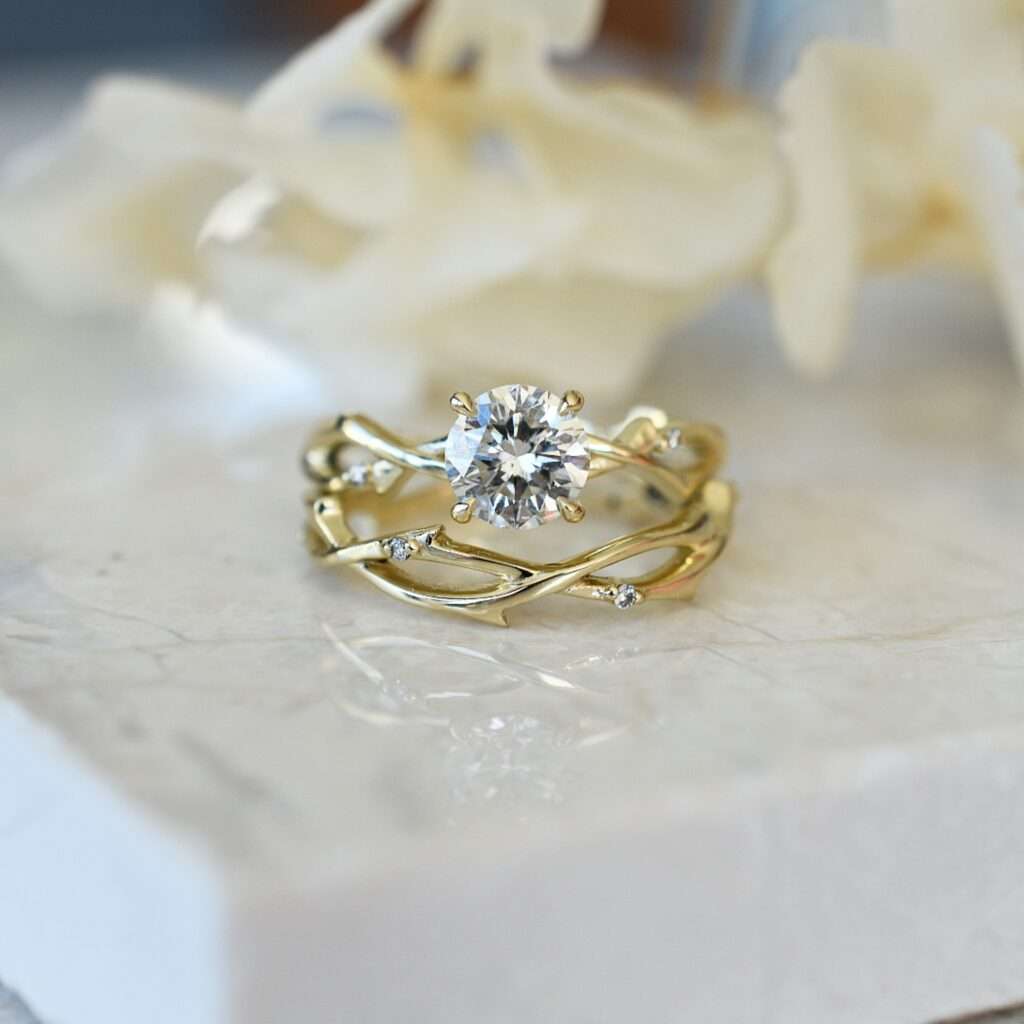
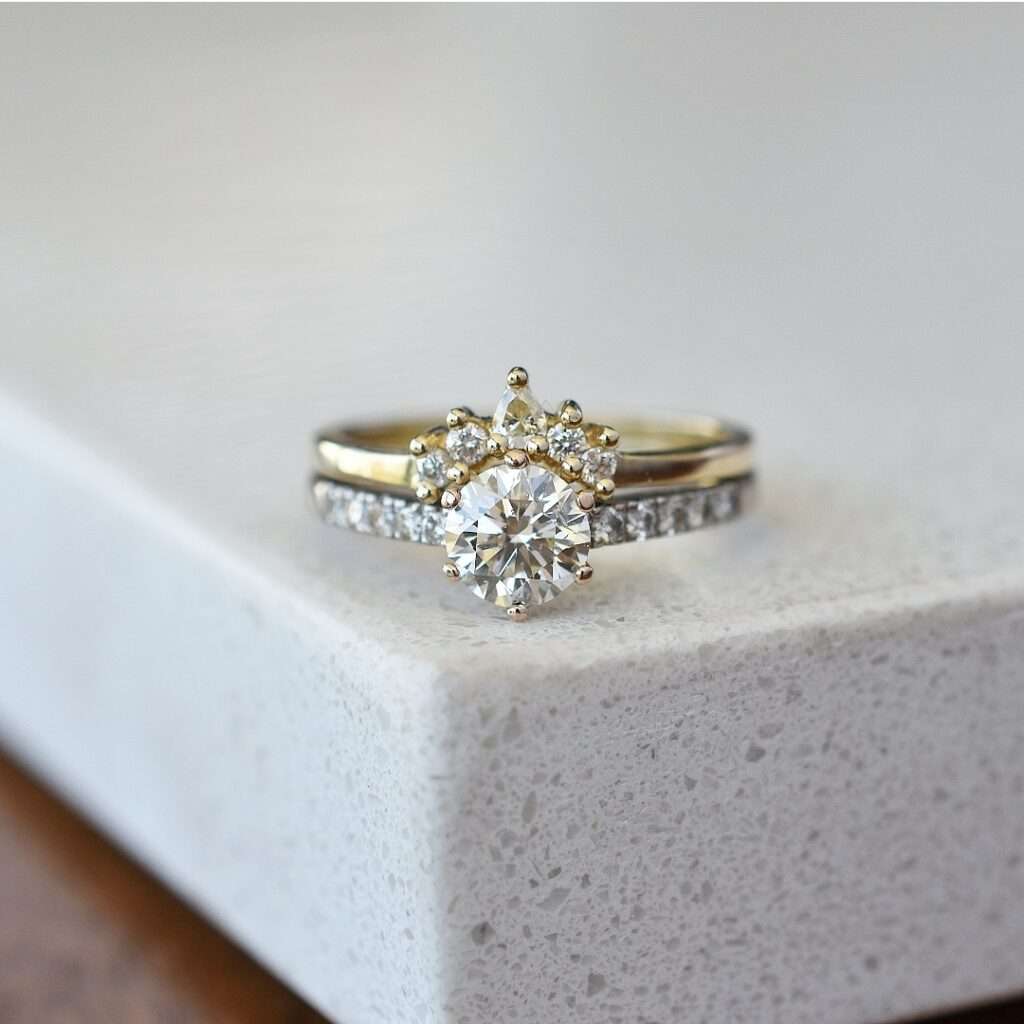
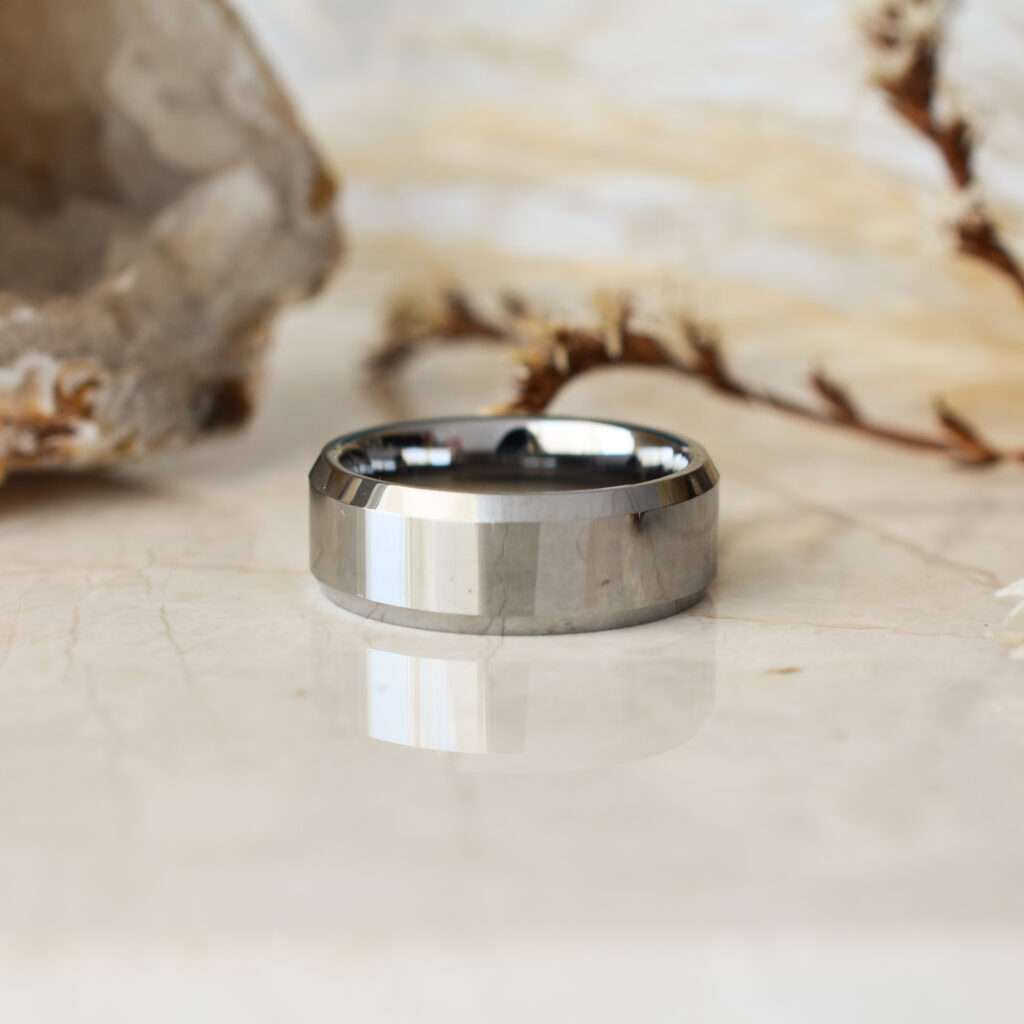
Engagement ring styles continue to move beyond the traditional round diamond, with couples exploring different shapes to create rings that feel more personal. Oval, pear, emerald, cushion and marquise diamonds are all finding their place in modern engagement ring designs, giving couples more options when choosing a centre stone.
Choosing the right diamond shape for your engagement ring involves more than deciding which outline you like most. The shape can influence the proportions of the ring, the setting, the overall design and how the engagement ring sits alongside a wedding band. It can also help set the direction for a custom jewellery design.
In this guide, we look at the most popular diamond shapes and colours explain what makes each one different. We will also look at how a diamond shape can influence an engagement ring design and why working with a jewellery designer can be useful when creating a custom ring.
Diamond Shape and Diamond Cut Are Not the Same
When choosing a diamond for an engagement ring, it is useful to understand the difference between shape and cut. The diamond shape describes the outline of the stone, such as round, oval, pear or emerald. Cut, however, isn’t referring to the shape of a diamond, such as round or oval. It refers to how well the diamond’s facets have been cut and positioned to interact with light.
The quality of the cut is what brings out a diamond’s brilliance, fire and sparkle. It is graded from Excellent to Poor and is, in my opinion, one of the most important factors when it comes to the overall beauty of a diamond.
The terms are often used together, but they describe different characteristics. A round brilliant diamond, for example, refers to both its round shape and its brilliant-cut faceting style. Other shapes can also have different cutting styles, which means two diamonds with the same shape can have different appearances, for example a radiant cut and an emerald cut.
Popular Diamond Shapes for Engagement Rings
There is no single diamond shape that suits every engagement ring. Each shape has its own proportions and design possibilities, which is why looking at several options can help before making a decision.
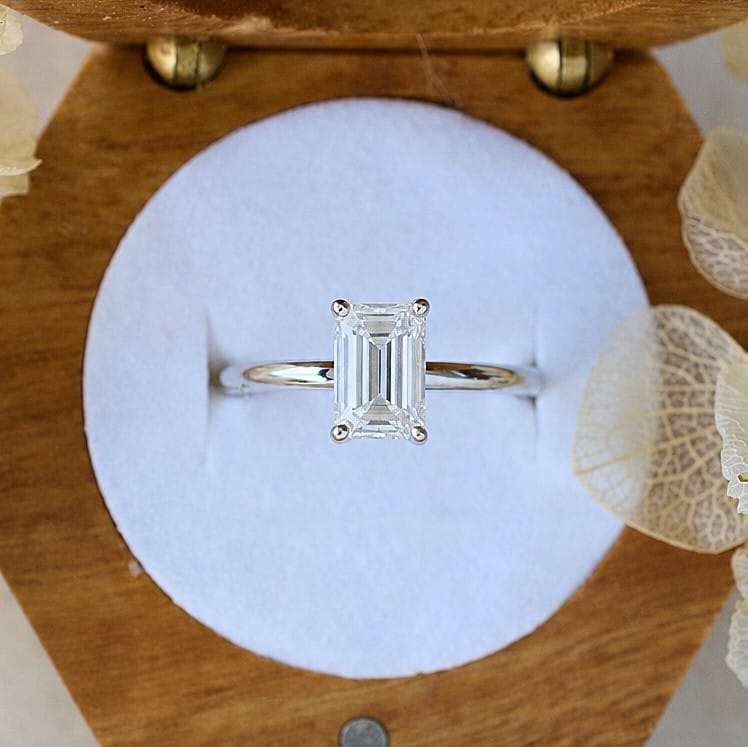
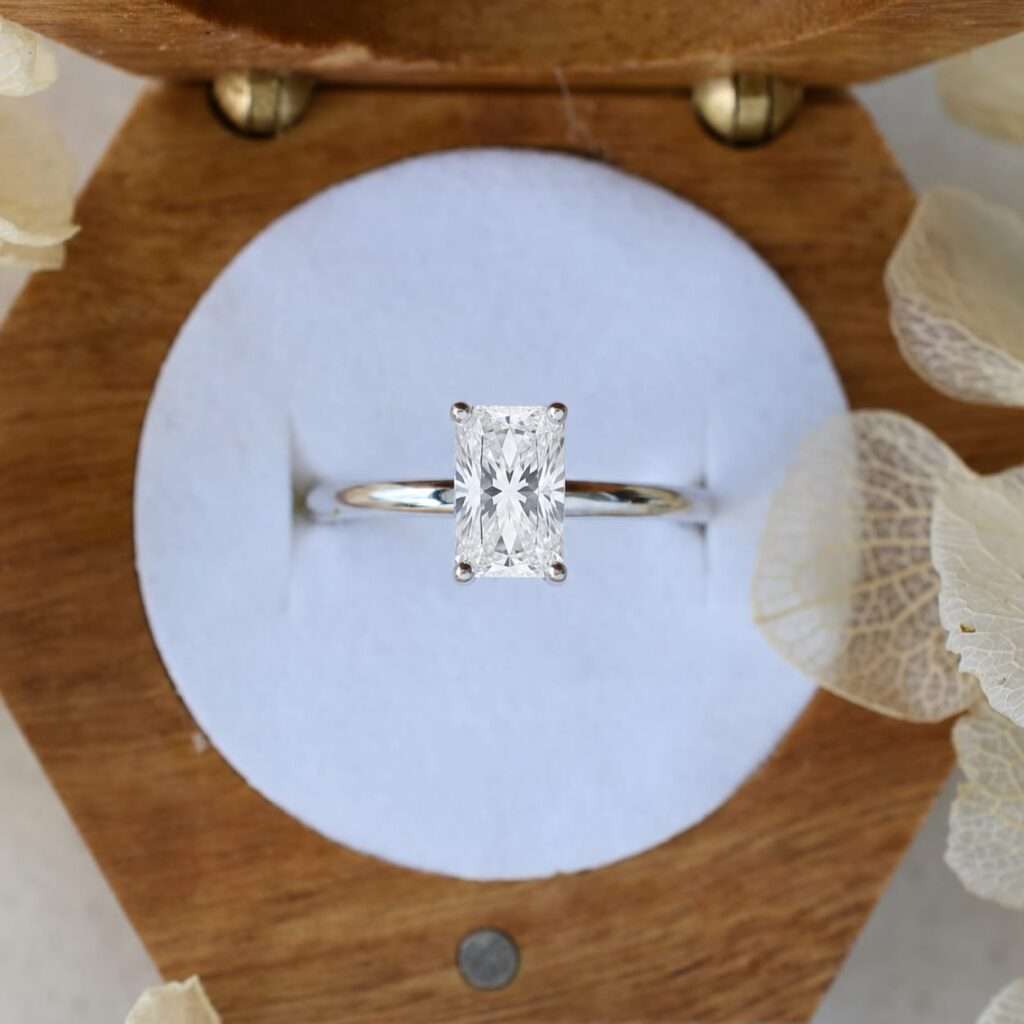
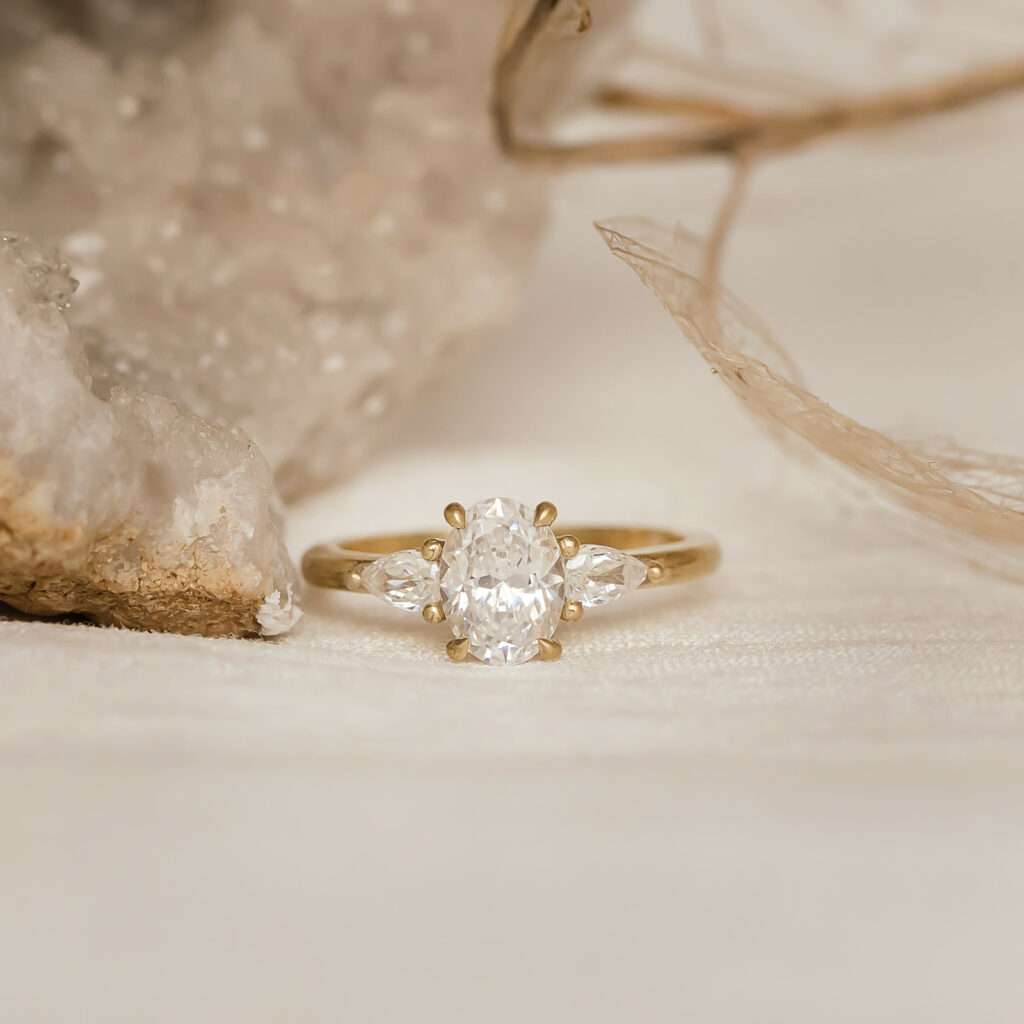
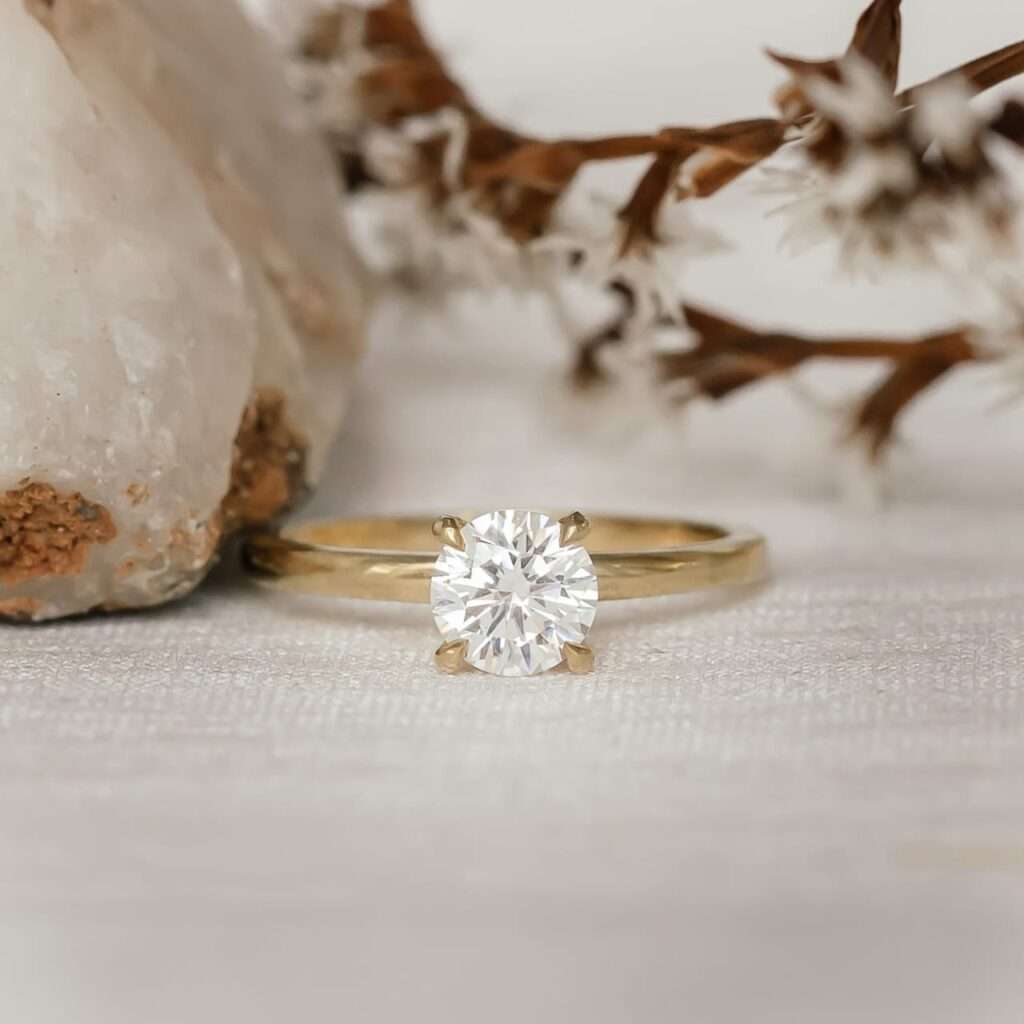
Round, pear, emerald and oval diamonds each have their own distinctive character and can suit different ring designs. The round brilliant is timeless and versatile, working well with everything from classic solitaires to halos and side stones. A pear shape has a soft, rounded end with a distinctive point, making it an eye-catching choice for solitaire, three-stone and custom designs.
The emerald cut has clean lines and step-cut facets that create broader, more defined reflections, giving it a sophisticated and elegant appearance. An oval diamond offers a classic look with a more elongated shape, making it a beautiful alternative to a round diamond and a versatile choice for both simple and more detailed designs.
Diamonds with a difference
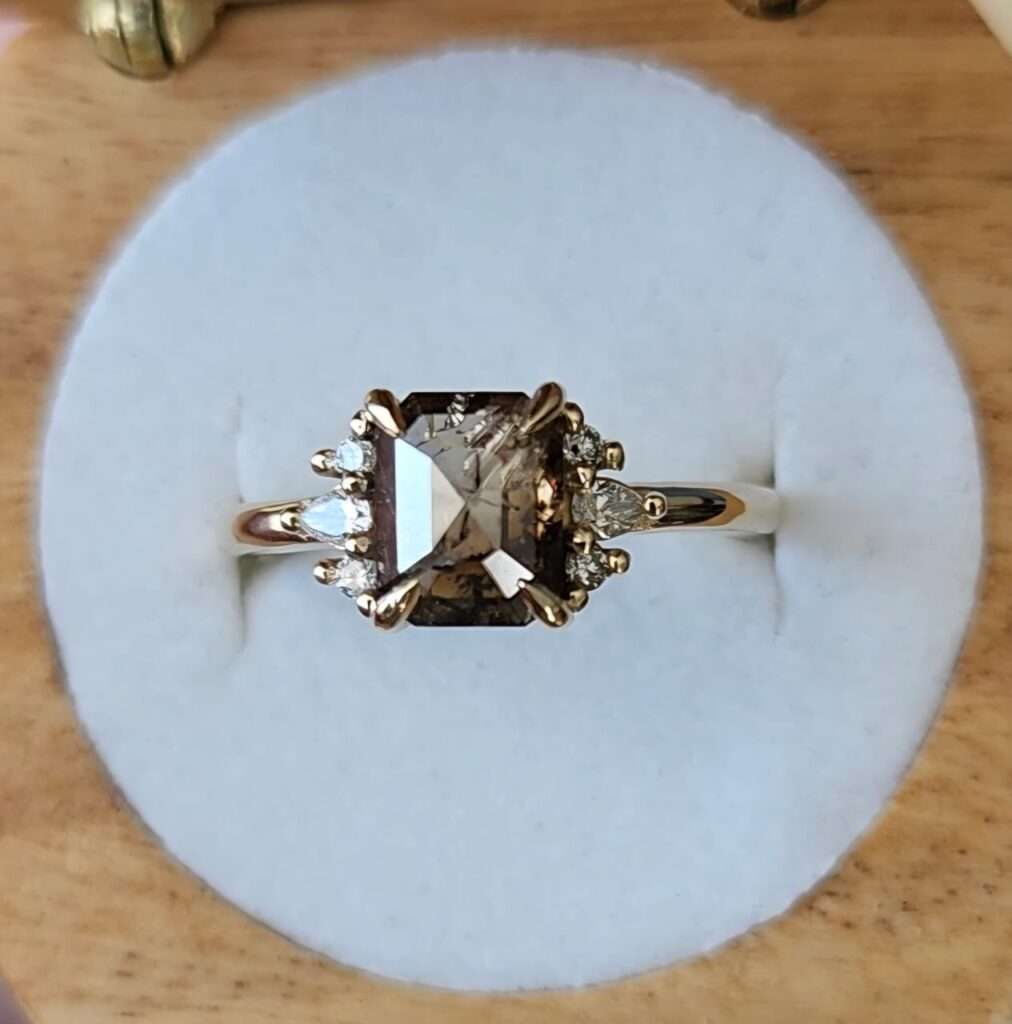
The growing interest in Salt and Pepper diamonds has also opened up wonderful options for couples looking beyond traditional white choices. Because these stones contain natural inclusions, each one boasts unique variations in colour, pattern, and appearance.
Beyond Salt and Pepper diamonds, you might also consider champagne diamonds, which bring warm, subtle tones ranging from light golden to deep brown, or Old Mine Cut diamonds, which offer a distinctive vintage charm with softer facets and an understated sparkle.
Because each of these stones has its own personality, the combination of its natural character, color, and shape becomes an inspiring starting point for a truly custom and individual engagement ring.

Finding the Right Diamond Shape for Your Engagement Ring
The right diamond shape is the one that works with your preferred design and how you plan to wear your engagement ring. Looking at different shapes in person can help you understand how their proportions and outlines translate into a finished ring.
There is also no requirement to follow a particular trend. An engagement ring is something you are likely to wear for years, so choosing a diamond shape that you genuinely like can be more useful than choosing one simply because it is currently popular.
Whether you prefer a round brilliant, an oval, a pear, an emerald cut or a less traditional option, the diamond shape provides a starting point for the design. With custom jewellery, that starting point can then become a ring created specifically for you.